
Master Solutions Blog
Master Solutions has been serving the Naperville area since 1996, providing IT Support such as technical helpdesk support, computer support, and consulting to small and medium-sized businesses.


Gaining a true competitive advantage rarely stems from flashy shortcuts or software trends. Outmaneuvering rivals requires sharp operational foresight, quiet system reliability, and an infrastructure that eliminates daily friction. When your technology functions seamlessly and your systems remain secure, your business moves faster than the rest.
0 Comments

Cybersecurity Awareness Month every October is a great reminder to lock down your network, but cybercriminals don't check the calendar before launching a ransomware attack. When firewalls get bypassed or human error opens the door, your ability to recover isn't decided by your perimeter defenses—it’s decided by your backup architecture.
Enter the 3-2-1-1 backup strategy: the modern evolution of classic data protection built specifically to survive today’s automated, backup-targeting malware.

Every business relies on digital infrastructure to serve clients, process data, and stay profitable. Yet, basic operational realities about a business’ hardware and software are regularly ignored until a major disruption occurs. Ignoring these core principles leads directly to preventable expenses and downtime.
Let’s review these principles now.

Daily operations rely heavily on technology, but subtle oversights in hardware management and security protocols quietly create severe operational risks. Identifying these routine gaps allows your organization to safeguard critical data, empower employees, and extract maximum value from existing tools without unnecessary spend.

As summer wraps up and seasonal employees head back to school or move on to new opportunities, business owners usually turn their focus toward the busy fall season. Unfortunately, departed team members often leave active digital credentials behind that quietly create massive security risks.

Small businesses miss out on lucrative enterprise contracts every day for reasons unrelated to their core services. The deal usually stalls when the big prospect hands over a vendor security questionnaire, and the SMB blinks.
Let’s talk about how we can better prepare you to close these deals, and make you less likely to choke.
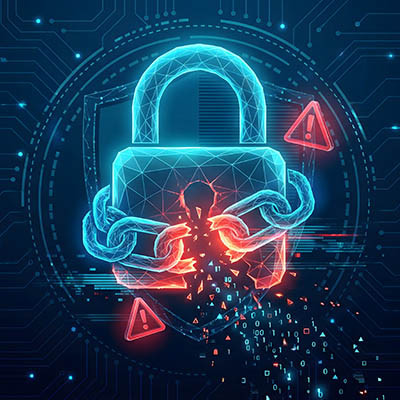
Small business leadership teams frequently address digital threats by purchasing separate software applications over time to defend different office terminals. This piecemeal strategy generates a fragmented environment where the antivirus app, mail filter, and network barrier do not share event data.
Cybercriminals deliberately exploit these disconnected zones, launching quiet intrusions that easily slide past individual security tools undetected.

When you examine modern corporate data breaches, the entry point is rarely a complex system hack. Most attacks succeed because they target busy schedules rather than a lack of intelligence.
Business owners know how to manage operations, but cybercriminals look for moments when your attention is stretched thin. Modern phishing schemes do not rely on complex software alone. They focus on taking advantage of your daily cognitive workload.

Summer vacations are essential for employee well-being, but they also introduce a critical operational risk: when leaders, executives, and internal IT personnel take time off, your standard business defenses naturally soften.
Cybercriminals do not take summer vacations. In fact, the threat actor's strategy is built entirely around exploiting these seasonal staffing gaps. Hackers know that standard verification processes break down when an office is operating with a skeleton crew. When the usual decision-makers are offline, employees left behind are more likely to make quick, unverified choices under pressure.

Phishing remains the most common method cybercriminals use to infiltrate small and medium-sized business networks. These attacks involve fraudulent emails manipulated to look like legitimate messages from banks, vendors, or even your own managers. If an employee falls for the trick, they may inadvertently hand over corporate passwords or download dangerous malware.
Protecting your company requires teaching your team how to recognize the signs of a fraudulent message before clicking any links.

Navigating business technology right now feels remarkably heavy. It is not just one sudden shift causing the strain, but rather a compounding series of software overhead increases and evolving security threats. Many decision makers find themselves caught in a cycle of paying more for tools while getting less actual utility from them.

One of the most challenging parts of implementing multi-factor authentication is getting your staff on board without having to twist their arms too much. The pushback is real, and it’s largely because employees see MFA as an inconvenience rather than a mechanism for security. You can change the culture around cybersecurity at your business and get your staff on board with MFA—and it’s easier than you might think.

There is a quiet tug-of-war happening in almost every small business right now, and it usually centers around the smartphone sitting on your employee's desk. On the one hand, business owners are quietly terrified of data security. They know that company emails, client databases, and internal chats are floating around on devices they don't own.
On the other hand, many employees are deeply uncomfortable with the idea of installing work apps if it means their boss can peek into their personal lives. They worry that an IT administrator will be able to read their private text messages, track their location over the weekend, or accidentally wipe their family vacation photos.
Honestly? I side with the employees on this one.

Every technology provider has a list of core values plastered on their website. They love using words like efficiency, innovation, and speed. While we use these outcomes as much as anyone, I want to be completely candid about the real boundary line in modern IT. Right now, there is a constant conflict happening between security and convenience.
Convenience demands fewer clicks, shorter passwords, bypassed logins, and instant access to everything from any device. Security requires verification, data encryption, strict access parameters, and deliberate authentication checks. When these two forces collide, our engineering team operates under a strict rule: security wins over convenience every single time. This core mindset guides every decision we make when we work with our clients.

When a growing company hires its first internal IT Director, it marks a significant organizational milestone. The business finally reaches a size where it requires dedicated technology leadership rather than relying on a tech-savvy office manager to reboot the network router. However, a single technology leader quickly faces a severe operational bottleneck.
A typical day often gets consumed by manually troubleshooting tasks like configuring legacy shipping printers, resetting user passwords, and setting up dual-monitor workstations. While these immediate tasks are necessary to keep employees working, they prevent the IT Director from addressing critical backend infrastructure needs. When an internal manager is occupied with daily hardware adjustments, nobody is reviewing firewall logs, running phishing simulations to train staff, or auditing the company compliance posture.

Buying new smartphones and tablets for an entire team represents a significant upfront expense. To reduce these equipment costs, many small business owners choose a simpler path. They implement a Bring Your Own Device policy that allows employees to check company emails, access client records, and use the corporate chat tool directly from their personal mobile phones.
This setup is highly convenient, but it introduces major data liabilities to your organization.
Every single day, your business generates massive amounts of operational data. When a core database or financial record suddenly becomes inaccessible, your operations halt immediately. The primary vulnerability for most companies right now is an over-reliance on legacy security tools.

The pressure to secure a business network is immense, but locking down digital environments too tightly can prevent staff from accessing necessary files and tools. Managing access effectively requires a balance between security and productivity.

The average small business now relies on dozens of different software-as-a-service web platforms to handle daily operations, including billing, customer tracking, and team communication. For your staff, this digital growth has created severe password fatigue. Employees are forced to remember dozens of complex logins, which leads to a constant loop of locked accounts, broken workflows, and lost productivity that stalls your business day.
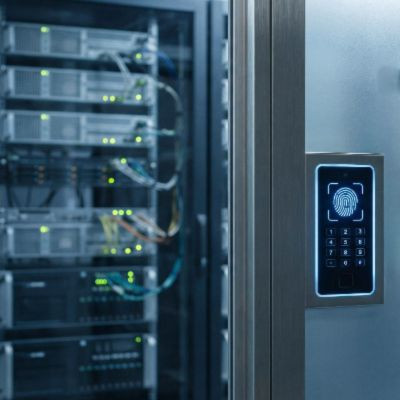
Small businesses invest thousands of dollars into sophisticated firewalls, email filters, and software protection to keep hackers out of their networks. However, many of those same organizations leave their physical server closets completely unlocked, or they locate their main network hardware in shared spaces like copy rooms.
Mobile? Grab this Article